AI produce grading
Quality and grade classification
Conveyor-belt QC inspection system
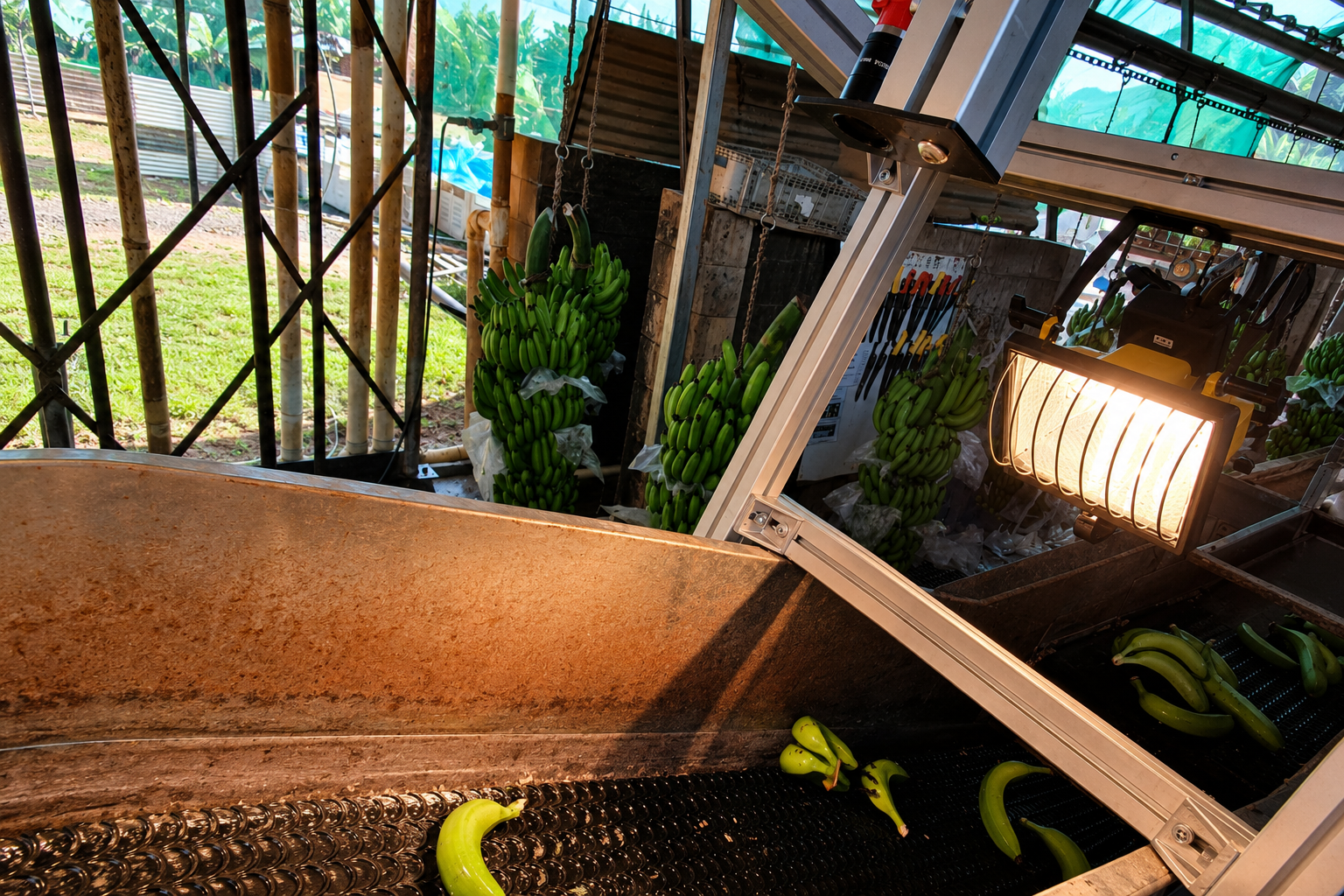
Defect detection on the line
Every unit inspected. Every shift. Without fatigue.
Computer vision quality inspection at production-line speed. AI grading and defect classification for produce, replacing inconsistent manual inspection with real-time, objective analysis that scales with throughput.
Grading is repetitive, subjective work done under constant line pressure. That combination produces avoidable waste and inconsistent quality, and both reach the bottom line.
Judging a borderline unit takes time the line doesn't allow, so the quick decision is to pull it. Good product is thrown away because removing it is faster than assessing it.
What one grader pulls, another passes. The same specification is applied differently across people, shifts and seasons.
When keeping pace with the line is the priority, careful assessment is the first thing to go, raising both waste and the risk of out-of-spec product reaching the customer.
Discarded good product and inconsistent quality both hit margin, whether through waste on the line or rejected loads downstream.
A machine-vision system removes human discretion from the decision, delivering consistent, high-speed classification against a fixed standard.
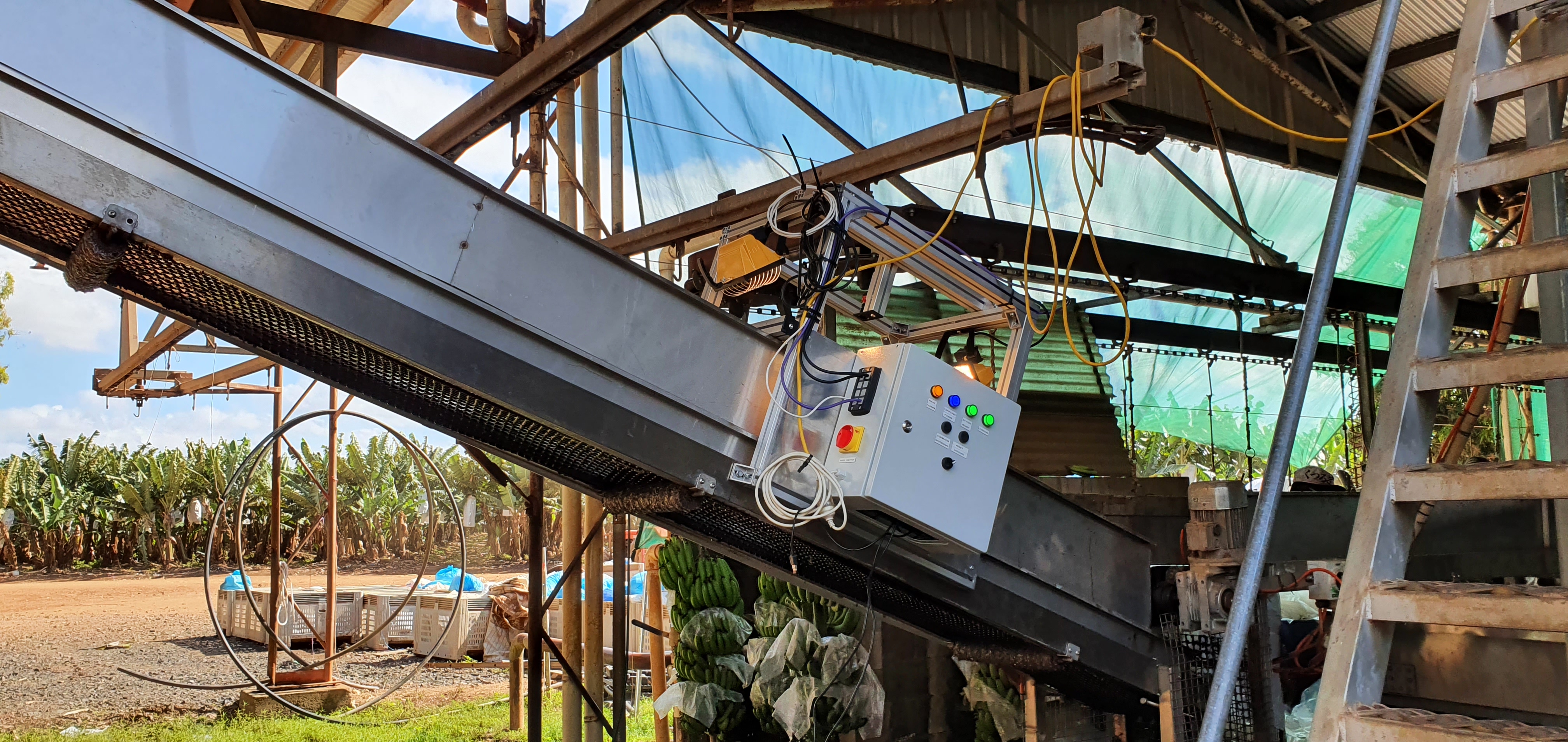
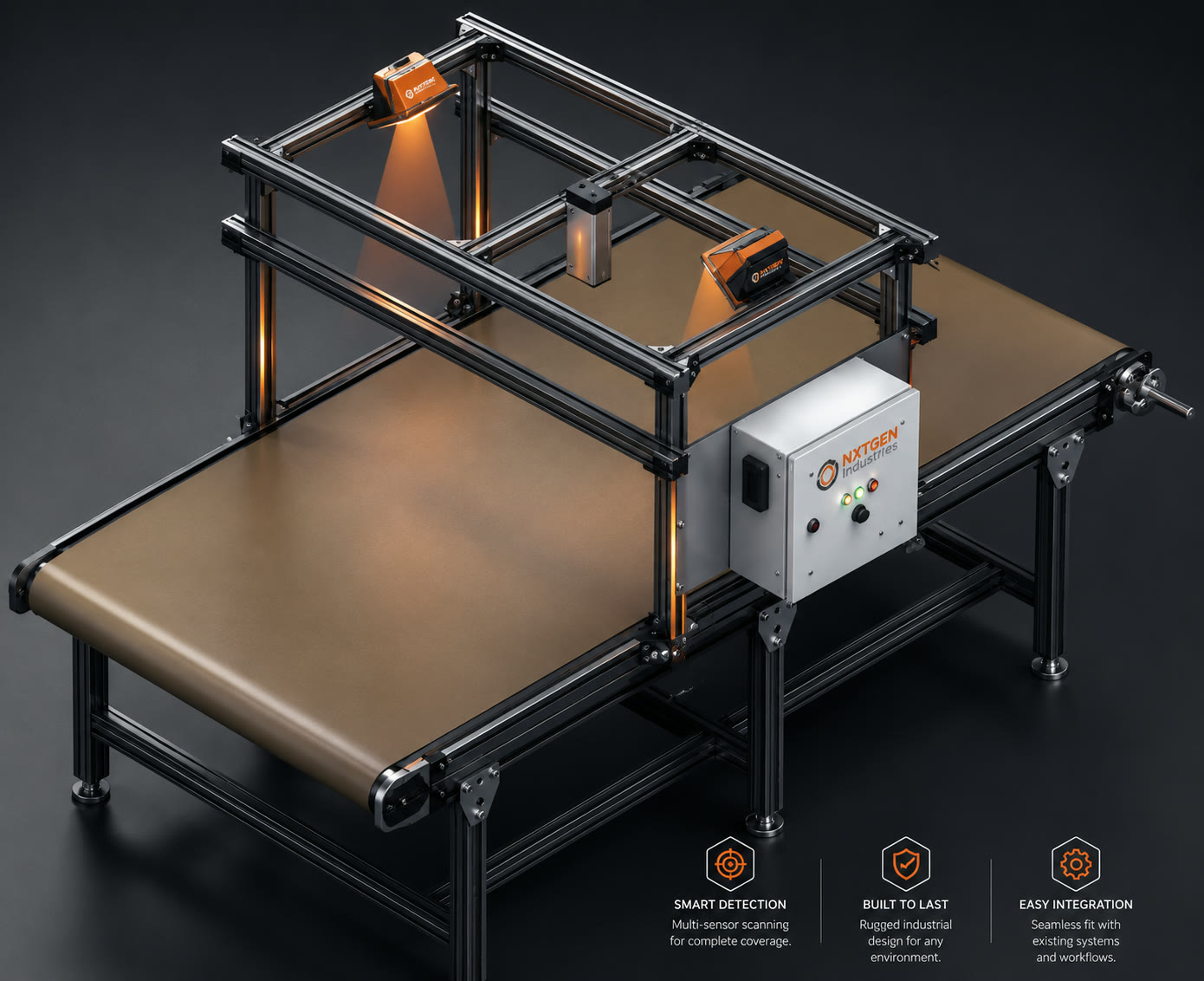
Vision system mounted above the conveyor. Camera calibrated to product geometry, lighting optimised for the target defect classes.
Every item captured at full line speed. NXTGEN Inspect analyses each unit in under 100ms, assessing colour, geometry, surface condition and defect presence.
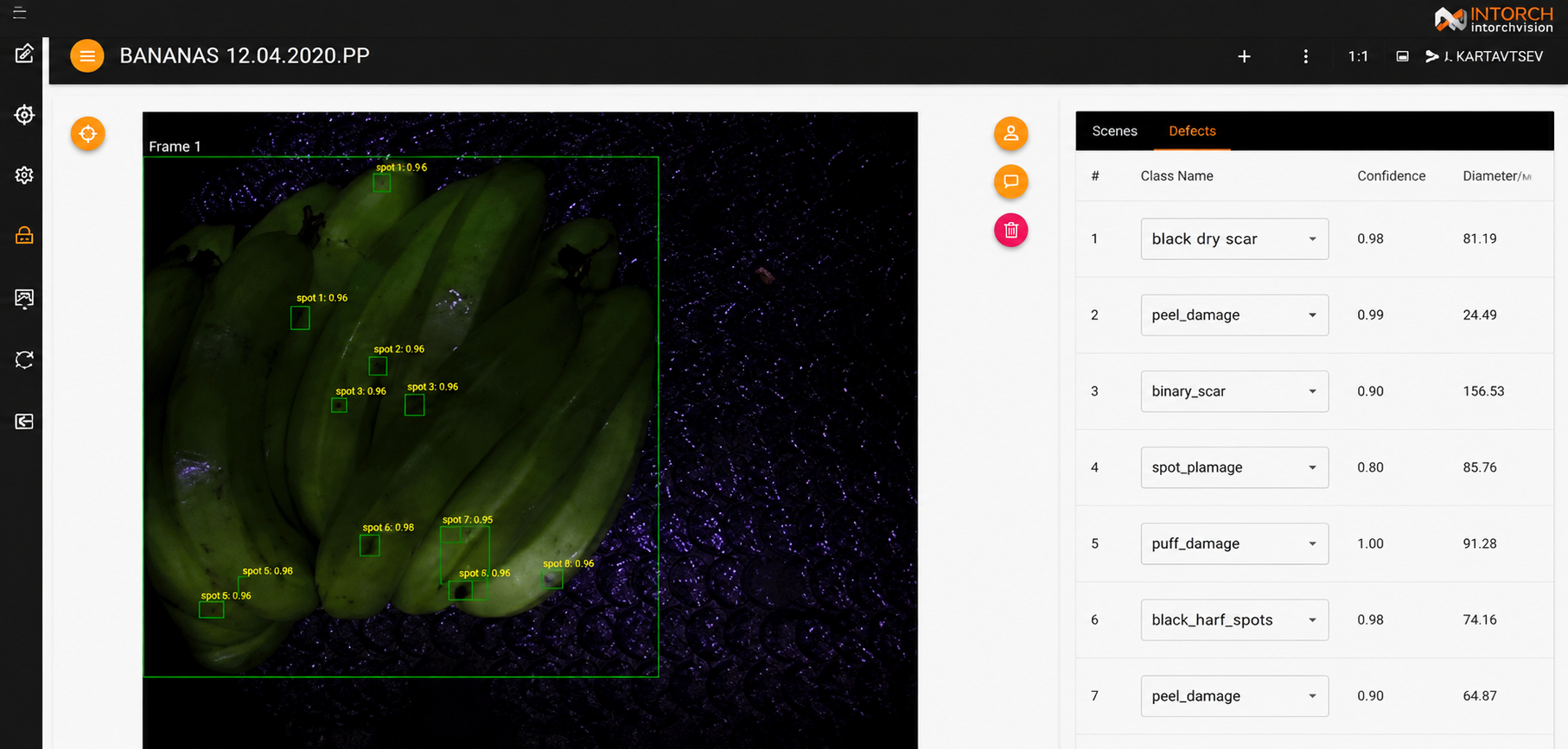
AI outputs a grade classification and defect flags for every item in real time. A decision signal is sent to the diverter or reject mechanism on the line.
Shift-level and batch-level quality data is logged to the operations dashboard, with trend alerts, reject-rate tracking and export to ERP or food-safety records.
Ripeness and colour uniformity assessed against grade specifications. Consistent across all light conditions and shift changes.
Size, shape and dimensional conformance checked against pack grade targets. Outlier items flagged for diversion.
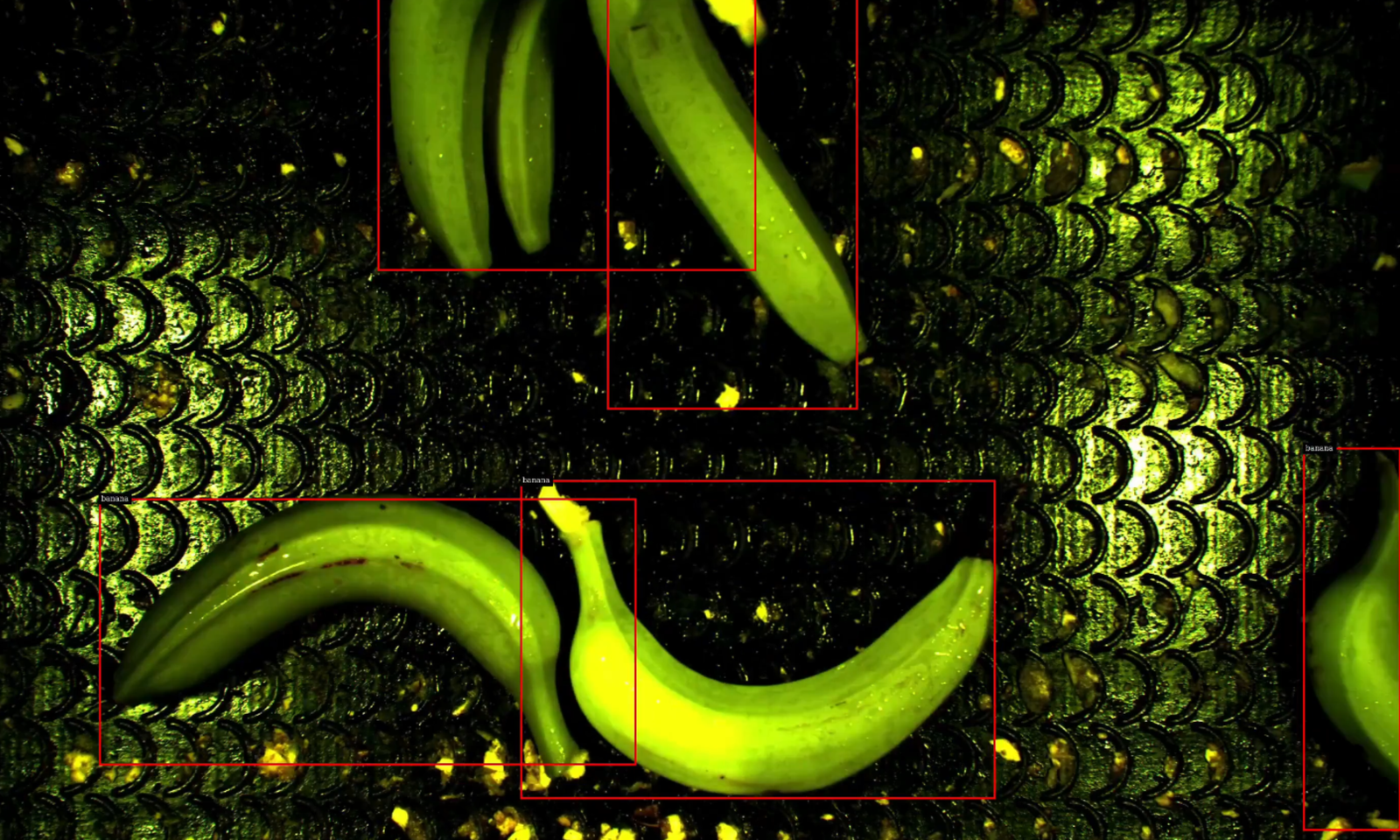
Bruising, cuts, scars, rot, blemishes and skin damage detected by high-resolution imaging and AI pattern recognition.
Split, broken, crushed or otherwise damaged units detected and rejected before they reach pack.
Debris, stems, packing material or non-conforming items detected and rejected from the line.
Post-pack visual confirmation that each unit meets grade specification and pack presentation requirements.
Trained to your produce. The grading model is built around your crop, grades and defect classes, no two product lines are the same.
No sampling or spot-checking. Every unit on the line is assessed against grade specification, every shift, without exception.
No fatigue, no variation. AI applies the same grading rules at 6am and 6pm, across every operator and every season.
Full line speed maintained. Inspection doesn't create a bottleneck; grading and diverter signals are issued within 100ms per unit.
Quality data flows to operations and food-safety records in real time, with shift reports, reject-trend alerts and ERP export included.
Production line assessed; conveyor speed, lighting and product orientation mapped. Vision system specified to throughput and defect-class requirements.
System installed and integrated with line control, reject mechanisms and the operations dashboard. The AI model is trained on representative product samples and validated against manual grading records before going live.
The system runs live grading at full line speed, with staff trained on exception management and dashboard review. AI models are tuned continuously as new product and defect data comes in, so accuracy keeps improving over time.
See how NXTGEN Inspect grades produce at full line speed, classifying defects and driving reject decisions in real time on a live packing line.
Tell us about your production line and inspection requirements.
Start the conversation