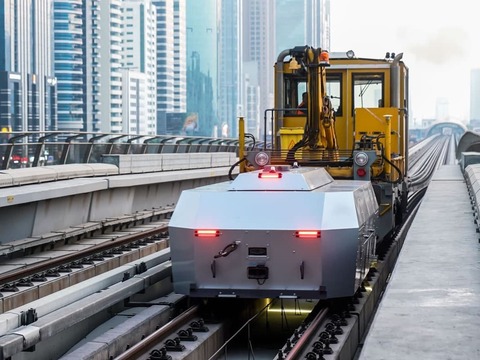
Rail NXTGEN Inspect
Smarter inspection. Safer rail.

See Every Detail.
Fix What Matters.

High-resolution 3D data and AI-powered analytics to detect defects, track conditions and assets with unmatched accuracy.

  • 3D Point CloudMillimetre-accurate visualisation of track and surroundings
  • AI Defect DetectionAutomatic identification of defects and anomalies
  • Actionable InsightsPrioritise maintenance with data-driven decisions
  • Integrated WorkflowSeamless export to your systems and workflows
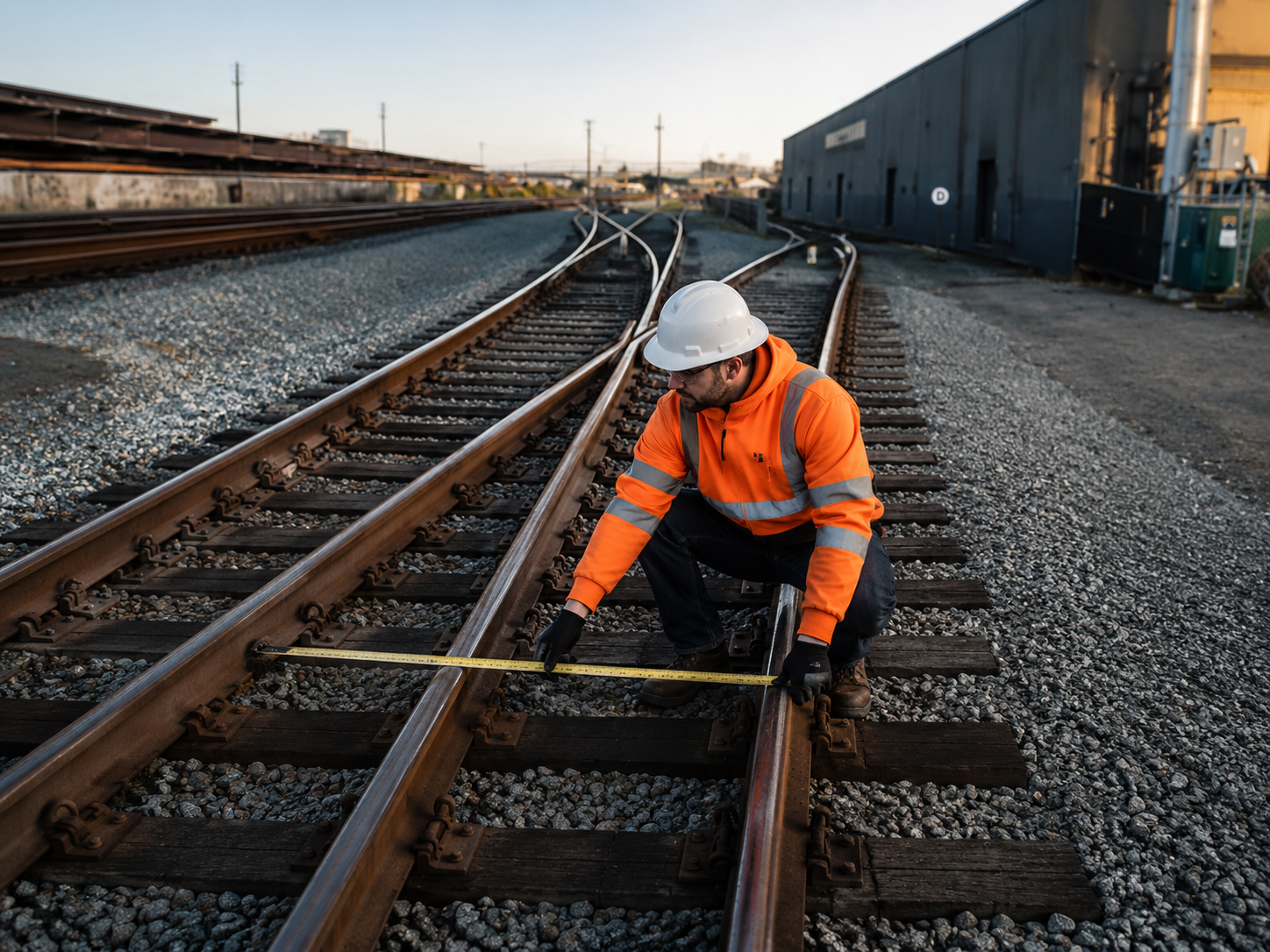
Manual inspection · live corridor
The Problem

Manual track inspection can't keep pace with the network.

Rail networks span hundreds of kilometres of safety-critical track. Traditional inspection depends on limited access windows, puts crews on live corridors, and produces inconsistent records that can't keep up with how fast track condition changes.

  • Limited inspection windows

    Inspection depends on track possession. Access windows are short and costly, capping how often the network can realistically be inspected.

  • Slow across large networks

    Manual and on-foot inspection covers ground slowly. Inspecting hundreds of kilometres takes time the maintenance cycle doesn't allow, so coverage falls behind deterioration.

  • Personnel risk on live corridors

    Sending crews onto live track exposes them to moving trains, high-voltage equipment, weather and fatigue, often during anti-social hours.

  • Inconsistent data

    Manual recording is subjective and varies between inspectors, crews and conditions, making defect trending and asset decisions unreliable.
The Solution

Inspect at speed. Never close the line.

  1. Mount and configure

    A configurable inspection payload mounts to your existing trolleys, hi-rail vehicles or locomotives. It inspects passively as the vehicle moves, with no dedicated possession or line closure required.

  2. Inspect in motion

    As the vehicle travels, the payload captures high-resolution imagery and 3D geometry across rails, sleepers, fixings and the surrounding corridor.

  3. AI analysis

    NXTGEN Inspect automatically analyses 3D geometry and wear, and detects defects, corrosion, cracks, vegetation encroachment and more. Every defect is classified, GPS-tagged and scored for risk and severity.

  4. Reports, dashboards and export

    Findings are delivered as digital and PDF reports, presented in dashboards on the NXTGEN Inspect platform, and exported to your asset or maintenance management system, with every defect mapped across the network and ready to act on.

Hardware + software

One payload on the rail. Every finding in the platform.

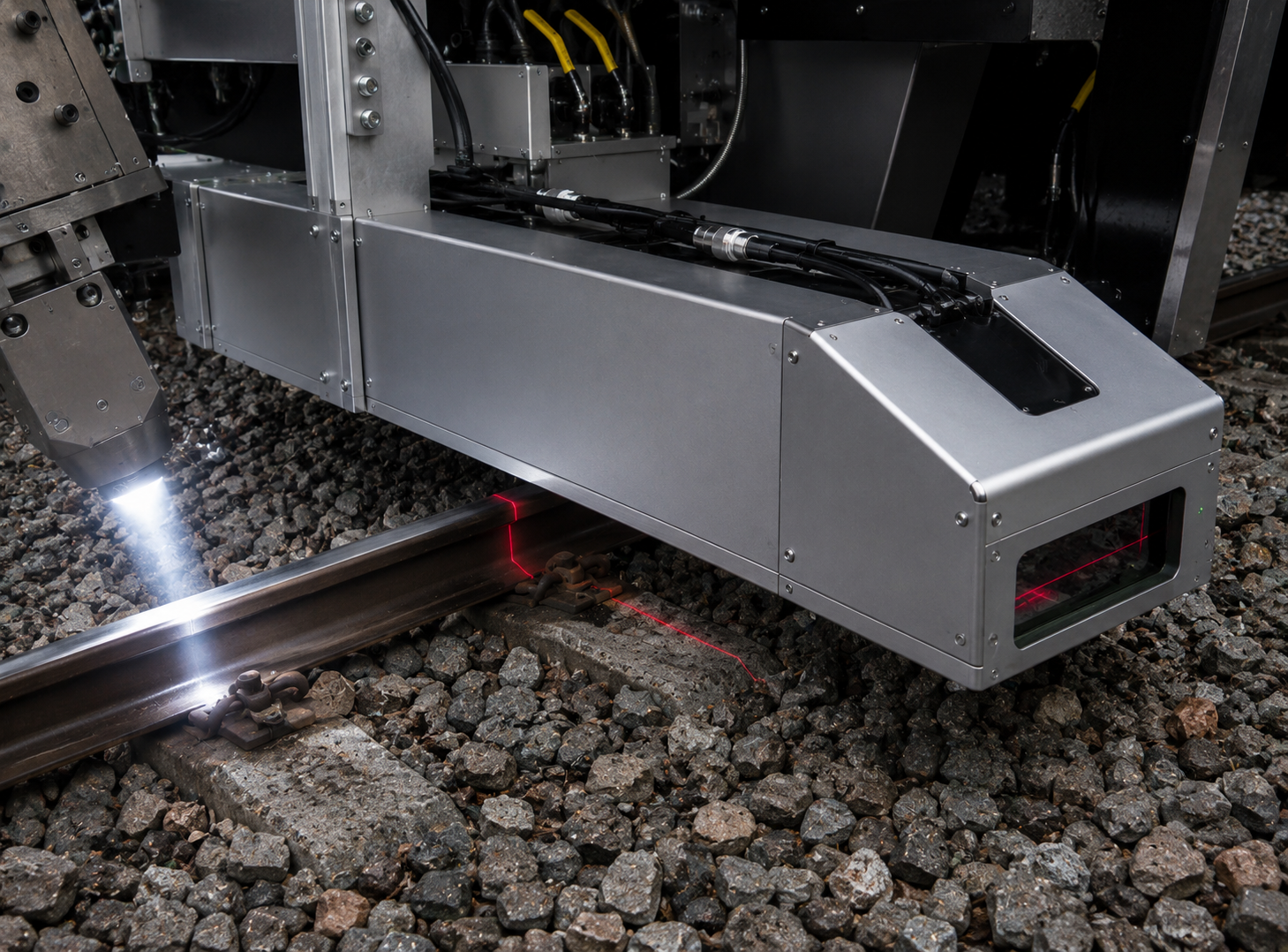
Rail inspection payload mounted over the rail with laser profiler
The payload Configurable inspection kit, mounted to your existing trolleys, hi-rail vehicles or locomotives.
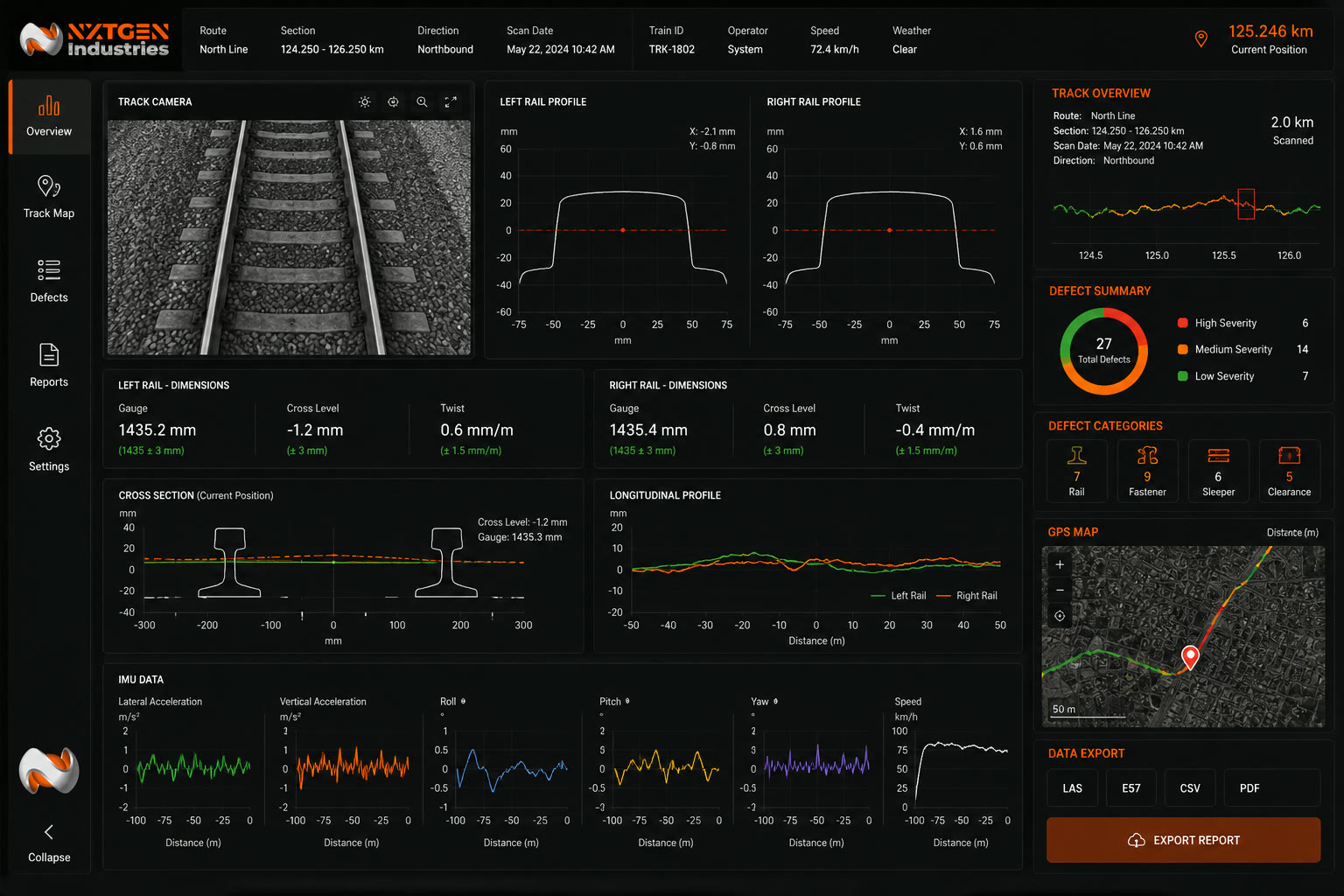
NXTGEN Inspect dashboard showing track geometry, rail profiles, defect summary and GPS map for a rail inspection run
The platform Every defect classified, GPS-tagged, mapped and reported in NXTGEN Inspect.
AI Detection

Defects the platform identifies.

Laser profiler geometry + wear

Track geometry

Gauge, cross level, twist, alignment and cant measured from the laser profile.

Rail head wear

Top, side and corner rail-head wear profiled against tolerance.

Rail corrugation

Periodic rail-head wear measured along the rail.

Cameras visual defects

Fastenings & fixings

Missing, broken or loose clips and bolts identified by vision.

Rail surface defects (RCF)

Squats, head checks, shelling, spalling and surface cracking detected from high-resolution imagery.

Welds & joints

Joint gaps, fishplate and joint-bar cracking assessed.

Sleeper condition

Concrete and timber sleeper cracking and spalling classified.

Corrosion

Rail, fitting and component corrosion identified and classified.

Signage & corridor assets

Signage and assets along the corridor detected and recorded.

IMU ride quality

Ride quality

Dynamic track response and rates of change measured at operational speed, flagging rough-ride locations.

LiDAR corridor

Vegetation & clearance

Vegetation encroachment and infrastructure intrusion into the track clearance envelope.

Configured to your network. We tailor the sensor suite and detection set to what your network needs.

What It Delivers

Operational outcomes.

No dedicated possession required for inspection

Inspecting passively during normal vehicle operation removes the need for extended possession windows and the disruption they cause.

Zero line closures required for condition assessment

The platform operates within the normal traffic envelope, so inspection runs without interrupting service.

100% of track inspected, no spot-check sampling

Every metre of route is captured on every run, moving asset management from sampling to complete condition visibility.

GPS-tagged defect records integrated to asset management systems

Georeferenced defect data flows directly into existing maintenance management systems, with no manual re-entry.

Deployment

Three steps to live inspection.

1

Scope & Configure

Track route digitised, inspection parameters configured per line standard (ARTC, metro, freight).

2

Payload Commissioning

Payload fitted to your chosen vehicle (trolley, hi-rail or loco) and tested on a representative track section. AI models calibrated to your target defect classes.

3

Operational Integration

Reports piped to your existing maintenance management system, and your crew trained on the exception review workflow. AI models are tuned continuously as new inspection data comes in, so detection keeps improving over time.

See It In Action

Rail Track Infrastructure in deployment.

Rail track infrastructure inspection
Case Study

Rail Track Infrastructure

See how the Rail Inspection Platform was deployed across active rail corridor, from route commissioning to live defect reporting integrated with the network's maintenance management system.

Read the case study

Ready to inspect without closing the line?

Tell us about your rail network and inspection requirements.

Start the conversation