Roads NXTGEN Inspect
Application

Every defect. Mapped automatically.

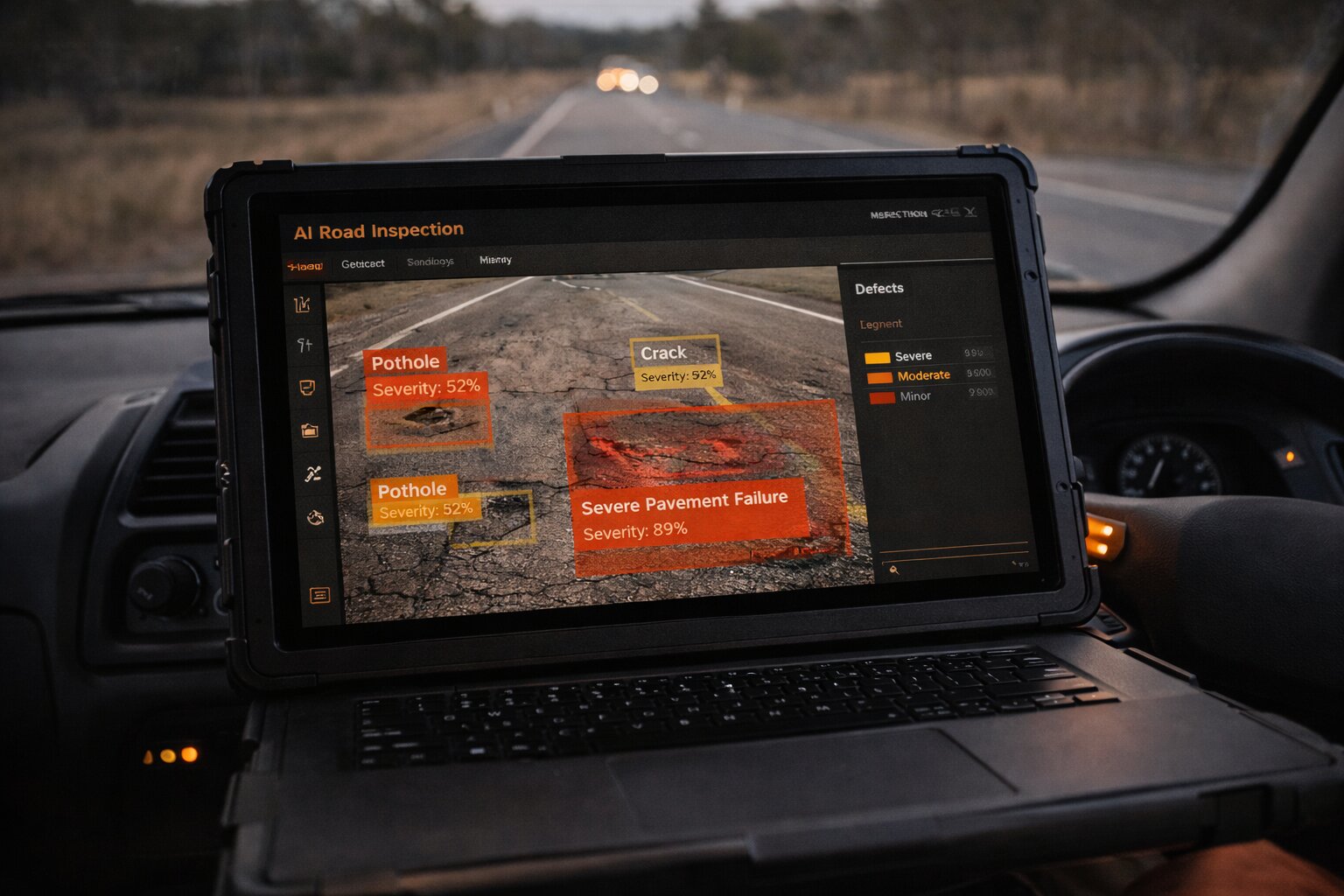
AI-driven road surface defect detection from vehicle-mounted camera systems, replacing manual survey crews with continuous, consistent road condition mapping.

Manual road survey
The Problem

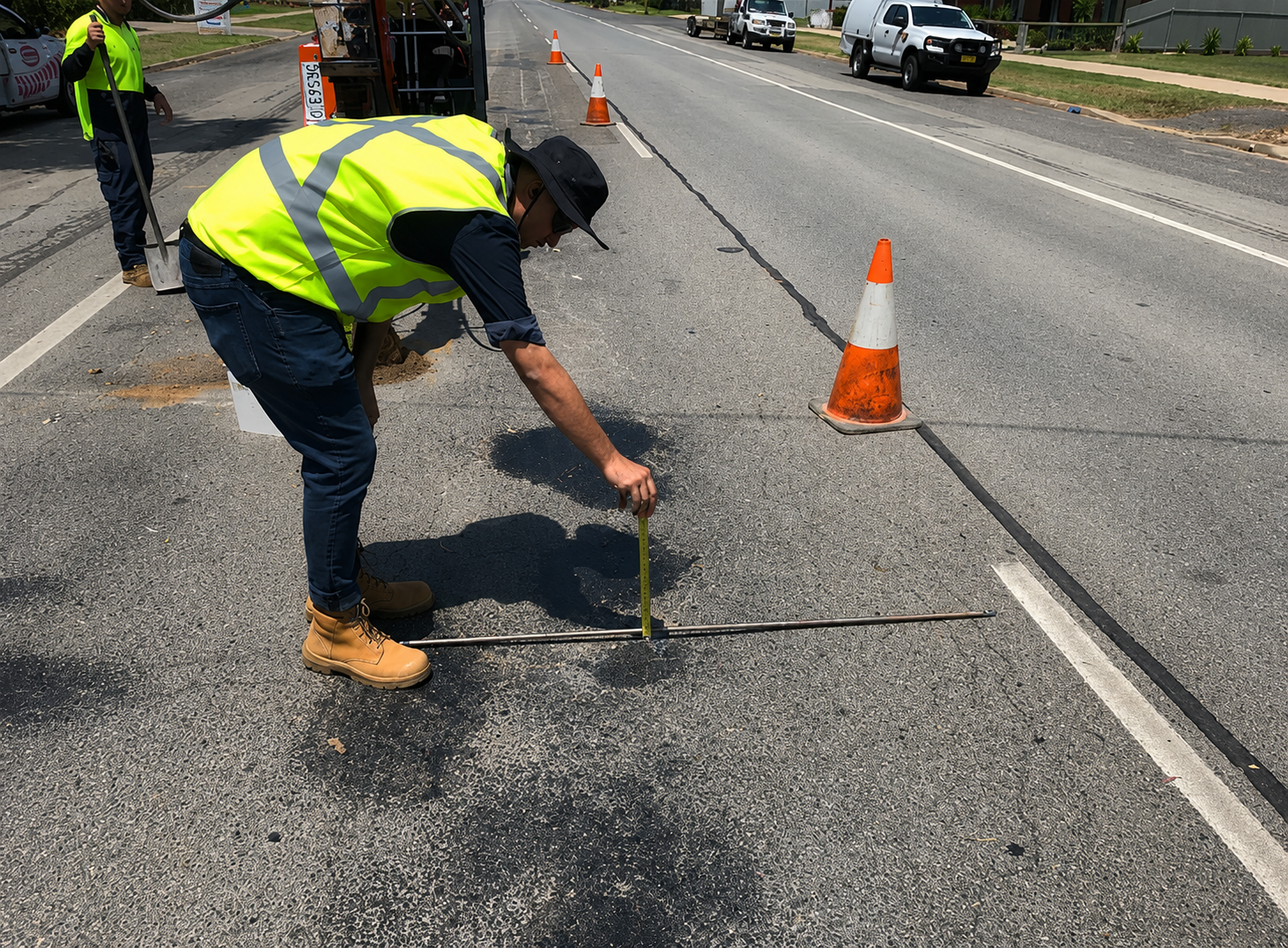
Manual road survey crews are slow, inconsistent and expensive.

Networks are vast, defects appear fast, and prioritisation is guesswork. Road authorities are flying blind between scheduled surveys.

  • Network scale

    Road networks span thousands of kilometres. Manual survey cycles are too slow to keep pace with defect formation and deterioration.

  • Speed of defect formation

    Potholes and surface cracking can develop between survey intervals, leaving hazards undetected until they cause damage or injury.

  • Inconsistent assessment

    Manual inspection quality varies between crews, weather conditions and observer judgement, making defect trending unreliable.

  • Prioritisation is guesswork

    Without consistent condition data, maintenance scheduling is reactive rather than risk-based, wasting budget and missing critical sites.

The Solution
AI road surface defect detection

Camera in. AI on. Defect map out.

  1. Continuous image capture

    Vehicle-mounted camera systems capture road surface imagery as vehicles traverse the network, with no dedicated survey vehicles required.

  2. AI defect detection

    NXTGEN Inspect AI detects and classifies potholes, cracking, rutting and surface degradation in real time from the captured imagery.

  3. GPS-tagged defect map

    Every detected defect is mapped to GPS coordinates with severity scoring, building a continuously updated condition picture of the network.

  4. Prioritised maintenance schedule

    AI analysis generates a ranked maintenance schedule, highest severity defects first, with location and evidence attached.

AI Detection

What the platform identifies.

Potholes

Detected by size, depth profile and location with severity classification

Surface cracking

Longitudinal, transverse and alligator cracking patterns across the carriageway

Rutting

Wheel-track deformation and surface depressions indicating structural failure

Surface degradation

Ravelling, stripping and loss of surface texture across pavement sections

Edge break

Pavement edge deterioration and shoulder separation

Patching condition

Existing patch performance and failure detection for maintenance prioritisation

What It Delivers

Operational outcomes.

Replace survey crews

Vehicle-mounted systems cover the network continuously without dedicated survey personnel or lane closures.

100% network coverage

Every road surveyed on every traverse, no sections missed, no gaps in condition data between scheduled cycles.

GPS-tagged defect map with severity scores

Every defect mapped to exact GPS coordinates with AI-assigned severity classification and photographic evidence.

Prioritised maintenance schedules from AI analysis

Maintenance teams receive a ranked work list, highest risk defects first, with location and evidence ready for crews.

Deployment

Three steps to live inspection.

1

Assessment

We scope your road network, review existing condition data and configure the platform to your defect classification standards and reporting requirements.

2

Configuration

Camera systems are commissioned to your vehicles. AI models are calibrated to your pavement types, surface materials and local defect definitions.

3

Go Live

Continuous defect mapping begins from the first traverse. Your operations team receives live condition updates and a prioritised maintenance schedule. AI models are tuned continuously as new traverses come in, so detection keeps improving over time.

See It In Action

Pothole Detection Case Study.

Road surface inspection deployment
Case Study

Pothole Detection Case Study.

See how NXTGEN Inspect detected and mapped road surface defects across a live road network, from system commissioning to operational defect reporting.

Read the case study

Ready to map every defect on your network?

Tell us about your road network and inspection requirements.

Start the conversation