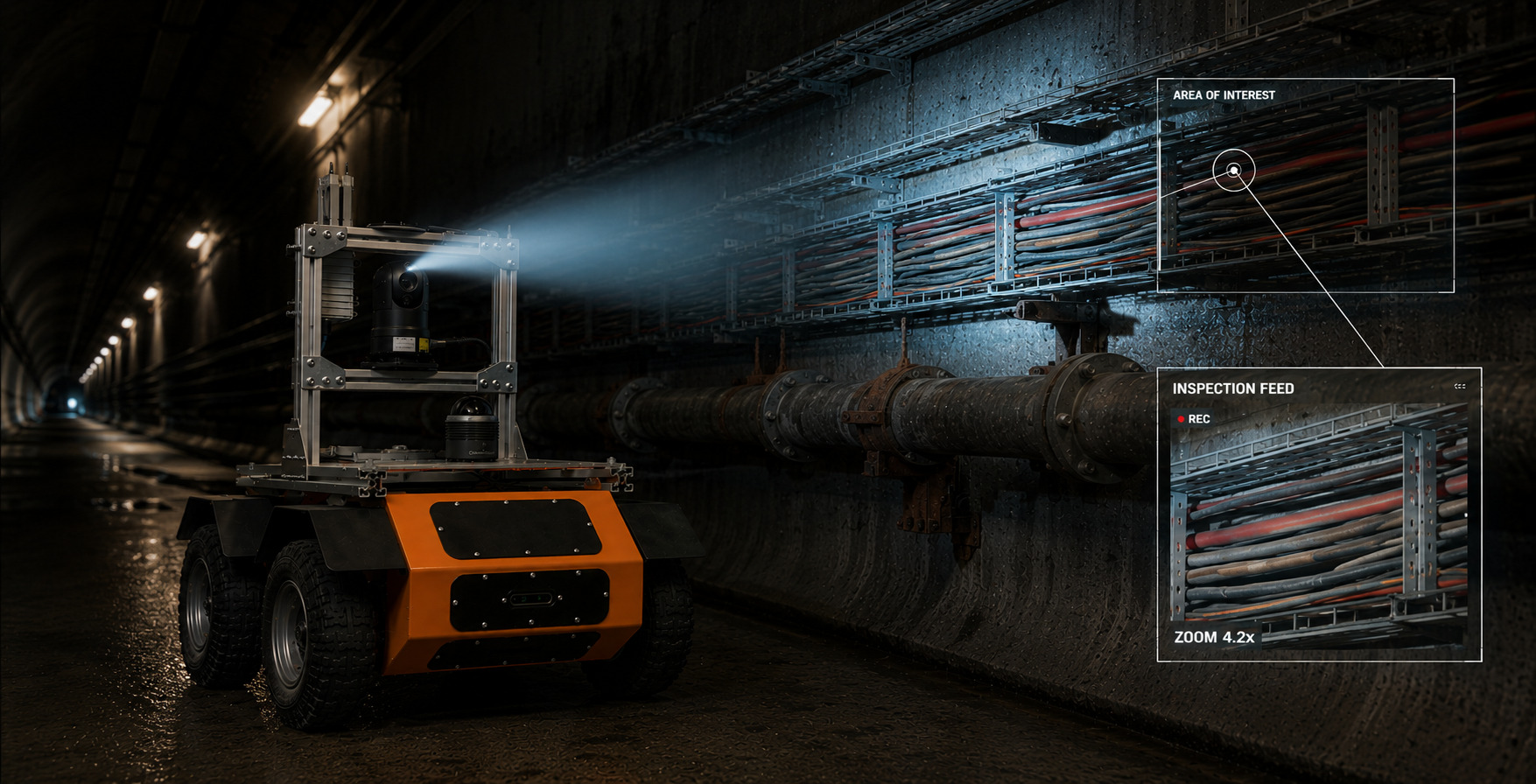
- Hazardous-area inspection automation is an evidence and operating-model problem, not just a robotics problem
- Separate what is technically possible, verifiable, and procedurally acceptable
- Start with inspection objectives, not equipment
- Design for real constraints: access, communications, maintenance, and failure recovery
- Procurement should demand evidence, documentation, and change control — not just demos
Introduction: Why Hazardous Area Inspection Is Different
Hazardous area inspection automation operates under a fundamentally different standard. Typical automation questions focus on capability: Can the system navigate the site? Can it capture images or thermal data? Can it generate alerts?
In hazardous environments, these questions are incomplete. The real questions are: What is the inspection objective? What operating conditions apply? What evidence supports deployment decisions? What must be verified procedurally? How will changes be managed over time?
Hazardous-area inspection automation is not a technology purchase. It is an evidence-led deployment decision.
What "Good" Looks Like in Hazardous Area Inspection Automation
A strong inspection program delivers:
- Clear Inspection Objectives — Defined maintenance or safety questions — not just data collection
- Procedural Fit — Alignment with site operations, permits, and maintenance workflows
- Evidence-Based Deployment — Supported by documentation, verification, and change control
- Operational Resilience — Handles outages, communication failures, and maintenance safely
- Traceable Outcomes — Findings linked to actions and maintenance records
The Three Layers You Must Separate
A critical mistake in procurement is treating capability as a single yes/no question.
1. What Is Technically Possible?
Can the system navigate and operate? Can it capture required data? Technical capability is the entry-level question — necessary, but not sufficient on its own.
2. What Is Verifiable?
What documentation supports its use? What operating limits are defined and tested? Verification transforms a capability claim into a defensible deployment decision.
3. What Is Procedurally Acceptable?
Can the site approve and operate it safely? Does it fit permit and inspection workflows? Procedural acceptance determines whether a technically capable and verifiable system can actually be deployed.
A system can be technically capable — but still not operationally acceptable.
Start With Inspection Objectives, Not Equipment
Before selecting any technology, define: what asset is being inspected, what defect or condition is being detected, what evidence is required, what action follows detection, and what happens if the system fails.
| Inspection Objective | Evidence Required | Likely Decision |
|---|---|---|
| Detect overheating | Thermal image + context | Schedule maintenance |
| Identify corrosion | Repeatable visual evidence | Inspect or raise work order |
| Identify access hazards | Visual documentation | Escalate to operations |
Without clear objectives, procurement focuses on hardware, evidence requirements remain undefined, and workflows fail during deployment. Objectives must be defined before equipment is evaluated.
What You Can Automate
Hazardous-area inspection automation is effective for:
- Repeatable visual inspection routes
- Thermal data collection
- Condition monitoring
- Exception-based reporting
- Remote evidence capture
- Inspection history and trend tracking
Automation works best when routes are repeatable, evidence requirements are defined, review workflows are structured, and integration paths are clear. The more well-defined the task, the stronger the case for automation.
What You Must Verify
Verification is the foundation of trust. A deployment that cannot be verified cannot be defended — operationally, procedurally, or legally. The following areas must be addressed for any hazardous-area deployment.
1. Operating Envelope
Document the environmental conditions the system is rated for, including temperature ranges, ingress protection ratings, and communication assumptions. Any gap between the rated envelope and site conditions requires resolution before deployment.
2. Maintenance Model
Define service ownership, recovery procedures following a system fault, and how software updates are managed without introducing uncontrolled change to an operating inspection program.
3. Inspection Data Requirements
Specify the data types captured, what metadata is retained with each record, how review processes are structured, and what traceability requirements apply under site procedures or regulatory obligations.
4. Integration Scope
Confirm the CMMS/EAM connectivity required, how findings flow into reporting workflows, and who owns escalation when a finding requires immediate action.
5. Change Control
Define how software updates, route modifications, and threshold adjustments are governed. Every change to an operating hazardous-area inspection system should pass through a risk assessment before implementation.
If it cannot be verified, it cannot be trusted in operation.
Evidence Checklist for Hazardous-Area Evaluation
Use the following framework when evaluating a vendor or system for hazardous-area deployment. Each category should produce concrete documentation — not verbal assurances.
| Category | What to Request |
|---|---|
| Intended Use | Defined operating scenario |
| Environment | Site condition limits and equipment ratings |
| Procedures | Startup, shutdown, and recovery documentation |
| Workflow Design | Routes, data capture, and escalation paths |
| Integration | Connected systems, data fields, and traceability |
| Change Control | Versioning and approval processes |
| Service Model | Support ownership and response commitments |
| Failure Handling | Safe recovery procedures for system faults |
Do not ask "Can it operate here?" Ask "What evidence supports this workflow in this environment?"
Real-World Constraints That Decide Success
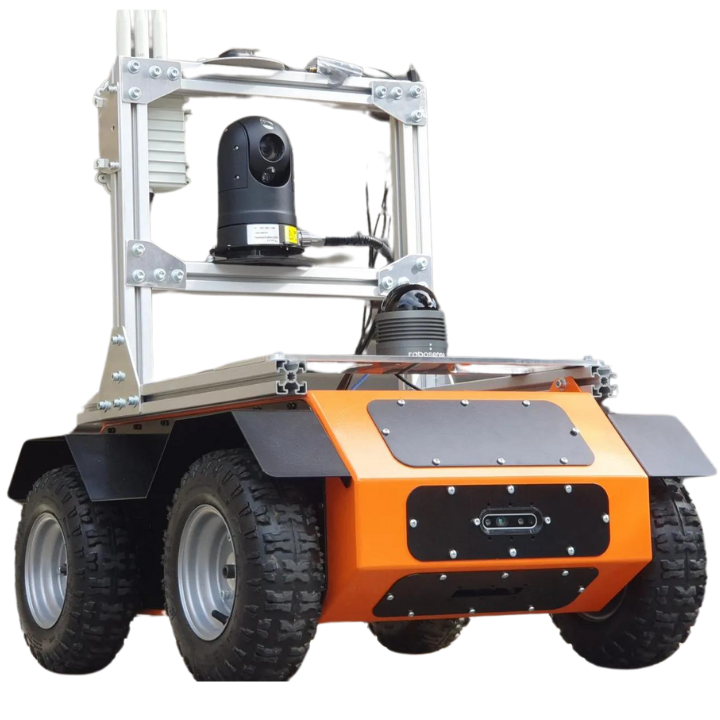
Hazardous deployments are constrained by access pathways, communication restrictions, maintenance windows, operator acceptance, recovery procedures, and environmental exposure. These are not secondary concerns — they determine whether a deployment succeeds or fails in practice.
Projects often fail because workflows were not reviewed at the operational level, ownership of evidence review was unclear, maintenance responsibilities were undefined, or failure recovery was not operationally acceptable. Technical performance in a controlled environment does not predict operational performance on a live site.
Procurement Questions Buyers Should Ask
Workflow
What inspection tasks are performed? What evidence is produced? What decisions does that evidence enable? What tasks remain with human operators and why?
Operational
What connectivity assumptions exist? What happens during a communication failure? Who owns recovery, and what does that process require of site personnel?
Governance
How are software updates controlled and approved before deployment? How are inspection findings audited and retained for regulatory or maintenance purposes?
Integration
How do findings trigger maintenance actions? What context is preserved in the work order or maintenance record? Who is responsible for ensuring the loop closes?
Common Failure Modes
- Demo-Led Procurement — Purchasing based on controlled demonstrations rather than workflow evidence. Fix: evaluate the workflow, not the demo.
- Unclear Operating Model — No defined owner for system operation, evidence review, or escalation. Fix: define ownership before deployment.
- Missing Evidence Trail — Findings not retained, linked to assets, or traceable through to action. Fix: require documentation standards as a procurement condition.
- Overclaimed Capability — Vendor claims not differentiated between what is technically possible and what is verified for the specific operating context. Fix: separate possibility from verification explicitly.
- No Lifecycle Plan — System installed without a defined model for maintenance, updates, and change control. Fix: include lifecycle planning in the scope of the initial deployment.
Why Full-Stack Delivery Wins
Successful hazardous-area inspection systems require defined inspection objectives, structured workflows, evidence retention, system integration, and lifecycle support. No single component is sufficient on its own.
Vendors who deliver hardware only, or software only, or technology without workflow design, create deployment risk. The integration of capability, evidence, and operational fit is what separates a successful deployment from an expensive failure.
The differentiator is not hardware. It is ownership of trust, workflow, and outcomes.
FAQ: Hazardous Area Inspection Automation
Can inspection robots be used in any hazardous area?
No. Suitability depends on operating conditions, documented evidence, and site procedures. A system that is suitable for one hazardous environment may not be suitable for another. Each deployment requires its own evidence-based assessment.
What should procurement request first?
Intended-use documentation, workflow evidence, and maintenance model details. These three areas reveal whether a system has been designed for real operational use or for demonstration environments.
Is certification the only requirement?
No. Procedural fit, evidence quality, and integration into maintenance workflows are equally important. Certification addresses equipment ratings — it does not address whether the inspection program is operationally viable.
What matters most in deployment?
Clear inspection objectives, defined evidence requirements, and an operationally viable workflow. A technically capable system deployed without these foundations will underperform or fail.
Conclusion
Hazardous-area inspection automation is not a product evaluation. It is an engineering, evidence, and operating-model decision. The strongest deployments define inspection objectives clearly, verify assumptions with documentation, demand evidence rather than accept claims, control change through structured governance, and integrate findings into real operational workflows.
The organisations that succeed with hazardous-area inspection automation are those who treat it as an operational commitment — not a procurement event.