- The real comparison is not humans vs robots — it's evidence quality, frequency, and safety exposure
- Manual inspection is best for complex, non-routine, judgment-heavy tasks
- Autonomous inspection excels in repeatable, high-frequency, high-risk environments
- The biggest gains come from standardized routes and consistent data capture
- Inspection only creates value when integrated into maintenance workflows and decision systems
Introduction: The Wrong Debate (And Why It Matters)
Manual vs autonomous inspection is often framed incorrectly:
"Should we replace manual inspection with robots?"
This framing leads to poor decisions. The correct question is:
Where does automation improve safety, consistency, and decision-making — and where does manual inspection remain superior?
Why this matters:
- Over-automation leads to wasted investment
- Under-automation leads to avoidable risk and inefficiency
- Poor comparisons result in failed deployments
This guide provides a practical framework to evaluate inspection methods based on real operational factors — not hype.
What "Good" Inspection Looks Like
Before comparing methods, define success. A high-performing inspection system delivers:
- High-Quality Evidence — Clear, consistent, decision-ready data
- Repeatability — Same inspection conditions over time, comparable datasets
- Appropriate Frequency — Inspections occur often enough to detect change
- Low Safety Exposure — Minimized risk to personnel
- Actionable Outcomes — Findings directly trigger maintenance decisions
Manual vs Autonomous Inspection: Core Comparison
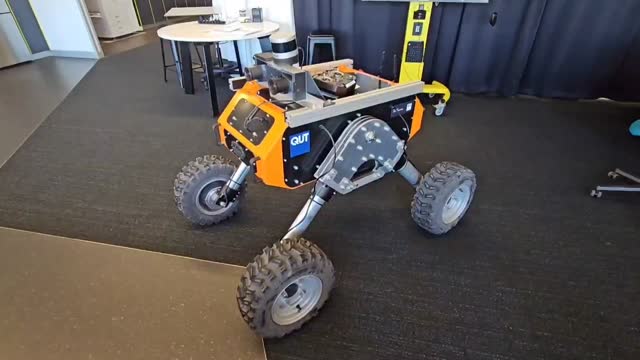
| Criteria | Manual Inspection | Autonomous Inspection |
|---|---|---|
| Safety Exposure | High in hazardous environments | Low |
| Evidence Quality | Variable | Consistent |
| Repeatability | Low | High |
| Inspection Frequency | Limited | High |
| Operational Disruption | High | Low |
| Coverage Consistency | Variable | Structured |
| Data Integration | Often manual | Automated |
| Scalability | Limited | High |
Manual inspection is flexible but inconsistent. Autonomous inspection is consistent but requires structured design.
Safety Exposure: The First Decision Filter
Manual inspection often exposes personnel to:
- Working at heights
- Confined spaces
- Hazardous environments
- Live equipment
Autonomous inspection:
- Reduces or removes human exposure
- Enables inspection in high-risk zones
- Supports continuous monitoring
If inspection repeatedly exposes people to risk, it should be considered for automation.
Evidence Quality: The Real Differentiator
Inspection decisions depend on data quality — not method.
Manual Inspection
Strengths: Human judgment, flexibility in complex situations.
Limitations: Inconsistent capture, subjective reporting, poor comparability over time.
Autonomous Inspection
Strengths: Repeatable capture conditions, structured data, reliable trend analysis.
Limitations: Requires upfront design, less adaptable without planning.
Consistency beats intuition when decisions depend on trend detection.
Repeatability and Frequency: Where Automation Wins
Manual inspection is limited by:
- Workforce availability
- Safety constraints
- Operational disruption
Autonomous inspection enables:
- Scheduled, repeatable routes
- Increased inspection frequency
- Minimal disruption
Failures develop gradually. Frequent, consistent inspection enables early detection and intervention.
Operational Disruption: The Hidden Cost Driver
Manual inspections often require:
- Equipment shutdowns
- Permit-to-work processes
- Safety supervision
Impact:
- Lost production time
- Increased complexity
- Delayed inspections
Autonomous inspection advantage:
- Operates during normal conditions
- Reduces shutdown requirements
- Minimizes disruption
The cost of inspection is not labor — it's disruption.
Decision Framework: When to Use Manual vs Autonomous
| Scenario | Recommended Approach |
|---|---|
| High-risk, repeatable inspection | Autonomous |
| Routine, high-frequency inspection | Autonomous |
| Complex, one-off inspection | Manual |
| Low-risk, low-frequency inspection | Manual |
| Hard-to-access environments | Autonomous |
Additional decision factors:
- Asset criticality
- Inspection frequency
- Evidence quality requirements
- Environmental constraints
Start with high-risk, high-frequency inspection routes.
Real-World Asset Examples

Substations
Manual: spot inspections. Autonomous: repeatable thermal and visual routes. Outcome: improved trend detection and safety.
Conveyors (Mining)
Manual: periodic checks. Autonomous: continuous monitoring. Outcome: early defect detection and reduced downtime.
Confined Spaces
Manual: required for complex inspections. Autonomous: reduces entry frequency. Outcome: lower risk and better consistency.
Integration: Where Both Methods Fail Without It
Inspection data often:
- Lives in reports
- Is disconnected from maintenance systems
Required workflow:
- Inspection performed
- Defect identified
- Severity classified
- Work order created
- Maintenance executed
- Outcome tracked
Inspection without integration is just documentation.
Common Failure Modes
- Over-Automating Everything — Fix: apply decision framework
- Underestimating Manual Value — Fix: retain for complex tasks
- Poor Data Quality — Fix: standardize capture
- No Integration — Fix: connect to CMMS/EAM
- Ignoring Deployment Reality — Fix: design for real environments
Why Full-Stack Inspection Wins
Manual-only: flexible but inconsistent. Autonomous-only: consistent but incomplete.
Full-stack approach combines:
- Autonomous inspection for repeatable tasks
- Manual inspection for complex scenarios
- Integrated workflows
- Centralized data systems
The goal is not automation. The goal is better inspection outcomes.
FAQ: Manual vs Autonomous Inspection
What is the difference between manual and autonomous inspection?
Manual inspection relies on human operators, while autonomous inspection uses robotics and AI for repeatable, data-driven inspections.
Is autonomous inspection always better?
No. It depends on task complexity, frequency, and risk level.
When should inspection be automated?
When inspections are high-risk, frequent, or require consistent data over time.
Can both methods work together?
Yes. The best systems combine both approaches.
Conclusion
Manual vs autonomous inspection is not a binary decision. It is a system design choice. The organisations that succeed:
- Use manual inspection where flexibility is required
- Use autonomous inspection where consistency and safety matter
- Integrate both into unified workflows
- Focus on outcomes — not tools